Wawel with a Guide – A Tour That Will Stay in Your Memory
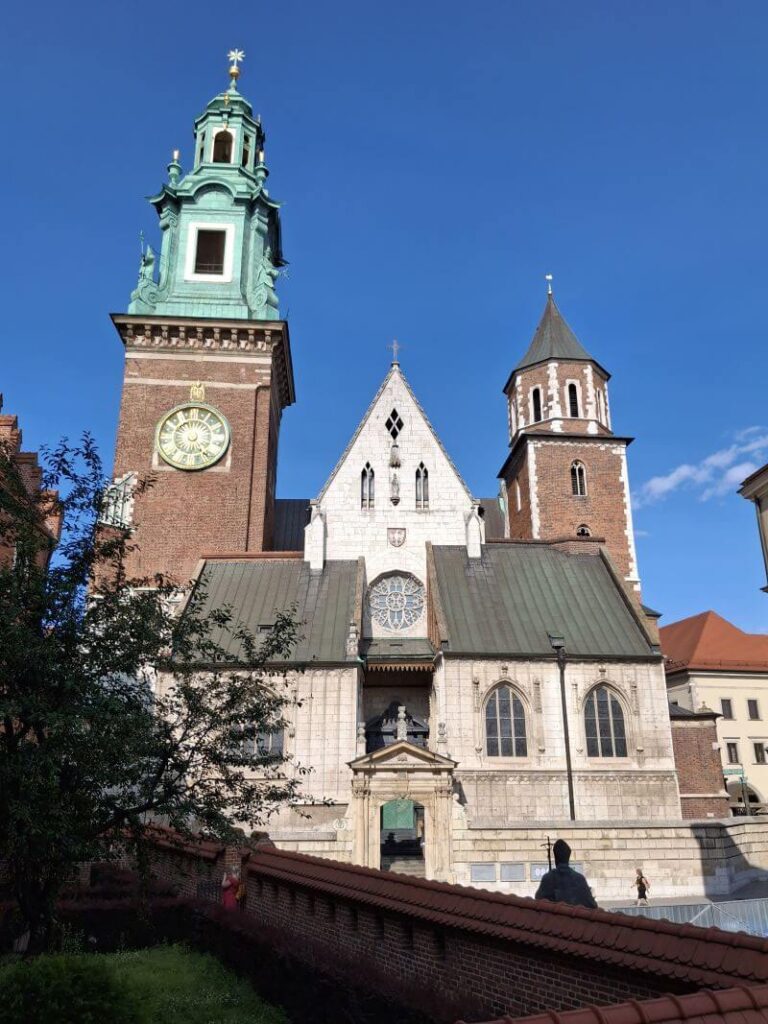
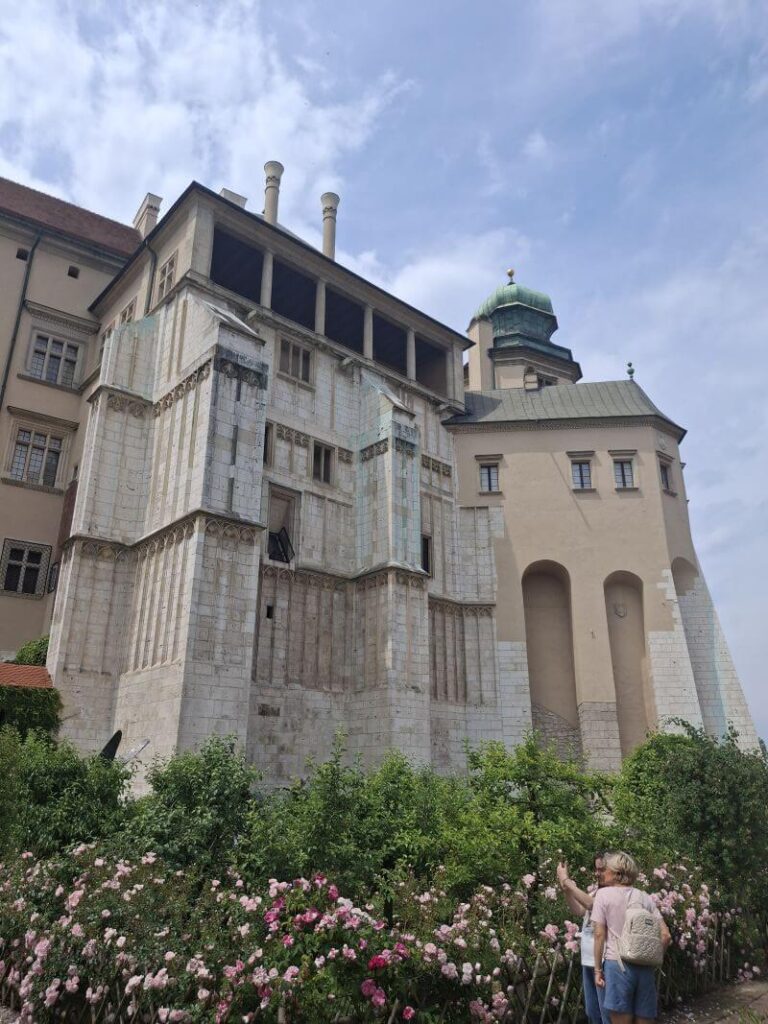
For every Pole, Kraków is the most important city – and in Kraków, there’s hardly a place more significant than the Wawel Hill, towering above the city. On this hill, with its ancient Royal Castle and Cathedral, nearly all Polish kings since the time of King Władysław I. Łokietek were crowned. The best way to discover the most fascinating, rare, and often overlooked aspects of Wawel is to explore it with a guide.
See Wawel with a Guide – Tour the Castle and the Tapestries
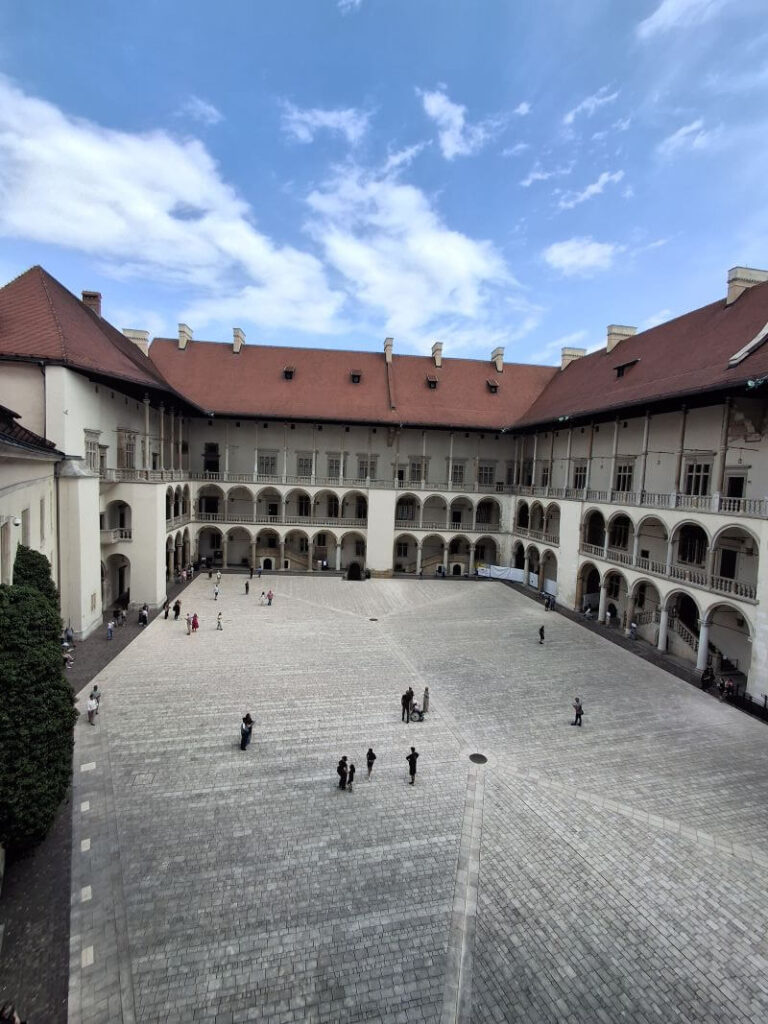
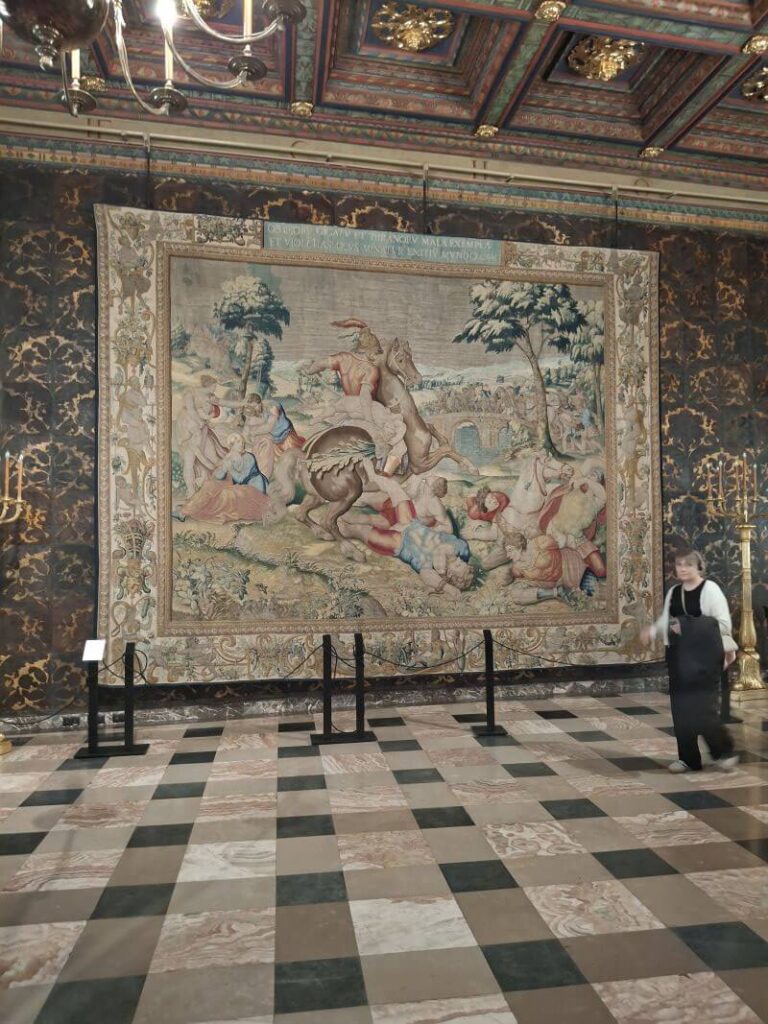
A visit to Kraków’s Old Town is best combined with a trip to Wawel Hill. Since the 1930s, the Royal Castle on Wawel has housed one of the largest art collections in Poland, including paintings, textiles, sculptures, porcelain, weaponry, and many other works of art. The crown jewel of the collection is the tapestries – the Arras collection. These magnificent, multicolored wall hangings, interwoven with silver threads, once covered the castle walls during grand ceremonies. Today, 136 pieces remain – out of around 160 commissioned nearly five centuries ago by King Sigismund II Augustus. The name comes from the town of Arras in northern France, where they were made.
The largest tapestries measure 8 by 5 meters. Creating a single piece took five skilled weavers nearly a year. The tapestries have a remarkable history, having survived multiple threats of destruction or theft.
Their journey during World War II is especially noteworthy: Before the German invasion, they were packed into crates, transported by riverboats to Sandomierz, and then by horse-drawn carts to Romania. From there, they traveled by ship to France, then through Great Britain to Canada. After many twists and turns, they finally returned to Poland in the 1960s – and today, dozens can be admired at once.
Royal Wawel – A Guided Tour That Brings It to Life
The tapestries alone would be reason enough to visit the Castle. But there’s so much more to see: For example, the largest collection of historical tents in Europe, many of which came to Wawel from the family heirlooms of descendants of those who fought in the Battle of Vienna in 1683. That’s when King Jan III Sobieski, along with the Polish heavy cavalry – the winged hussars, broke the Turkish siege of Vienna, halting Ottoman expansion in Europe.
The Wawel Castle is divided into several exhibitions:
Royal Chambers – the official area on the second floor, including the Envoys’ Hall and Senators’ Hall. This floor also features Eastern Art, including the tent collection.
Royal Apartments – the residential area on the first floor, with the unique Porcelain Cabinet and the apartment of President Mościcki from the interwar period.
Lost Wawel – an archaeological section with relics of Poland’s oldest buildings, dating back before the year 1000.
Treasury – a unique collection of gold and silver vessels and other precious artifacts, most dating back to the time of the Polish kings. The most important item is the Szczerbiec – the coronation sword, likely used since the coronation of Władysław I Łokietek.
Armory – for fans of halberds, armor, and military gear (currently closed for renovation).
Additional highlights include: Recovered Wawel, Intermural Spaces, Gardens and of course the Dragon’s Den, the legendary lair of the dragon who once terrorized ancient Kraków, defeated cleverly by a humble shoemaker’s apprentice.
Touring the Wawel Cathedral with a Guide
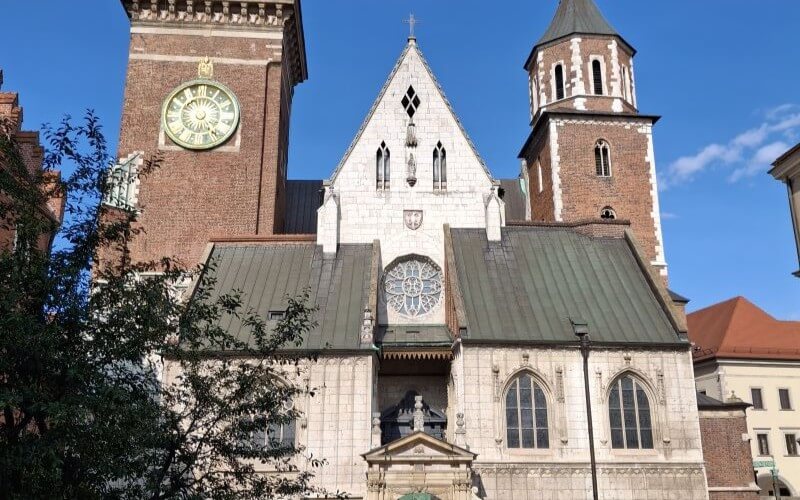
No visit to Kraków is complete without seeing the Wawel Cathedral, where the majority of Polish kings were crowned.
Visiting the Royal Tombs and the Poets’ Crypt with a Guide
The Cathedral is the final resting place of monarchs, poets, and national heroes. Medieval kings lie within the Cathedral itself, while modern-era rulers rest in the Royal Crypt, where, since the time of Kościuszko, great figures from Polish history have also been buried – including Marshal Piłsudski. The great Romantic poets Adam Mickiewicz and Juliusz Słowacki are buried in the Poets’ Crypt.
Let’s not forget the Sigismund Bell – the largest hand-rung bell in Europe, weighing 13 tons, funded by Sigismund the Old over 500 years ago. Until the construction of the basilica in Licheń, it was the largest bell in Poland.
The ticket to the Cathedral, Tombs, and Sigismund Bell also includes entry to the Cathedral Museum, which houses, among other treasures, the Holy Lance of St. Maurice, gifted to Bolesław the Brave by Emperor Otto III over 1000 years ago.
As you can see, Wawel Hill truly has a lot to offer. The author of these words has completed numerous guiding courses and trainings, including a five-month certification that allows guiding through all Wawel museums.
Interested? Feel free to get in touch! Want to know more about me? Check out the “About Me” section.