Kraków Nativity Scenes – A Tradition Inscribed on the UNESCO World Heritage List
Due to the interest sparked by photos and a short post about Kraków’s nativity scenes, I decided to devote a broader, “festive” entry to them. According to tradition, the Jewish religious reformer adopted by Joseph of Nazareth was born over two millennia ago in a humble stable. Our local tradition has diverged greatly from that stable—apart from the name—leaving the figures of Jesus, Mary, and Joseph seemingly at the center, yet small and almost invisible, overshadowed by colorful depictions of Kraków’s most beautiful features. But that is what holidays are about: joy and color.
What is a Kraków crib?
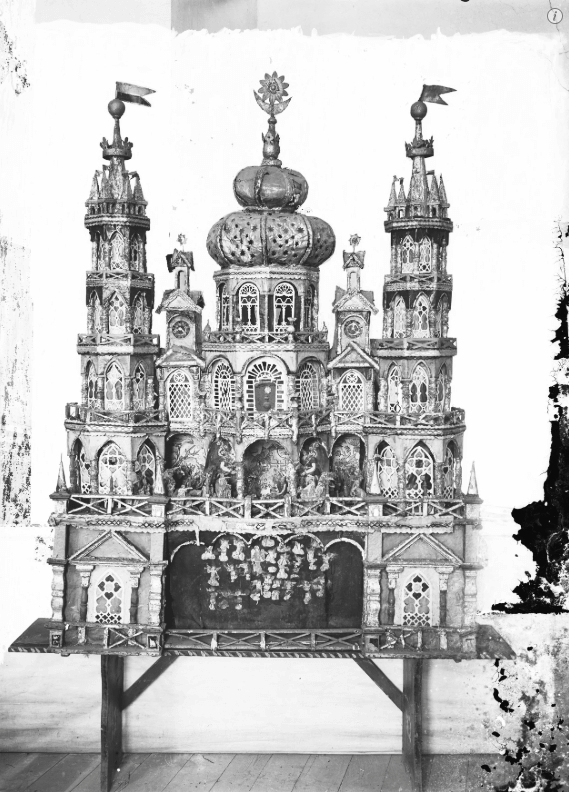
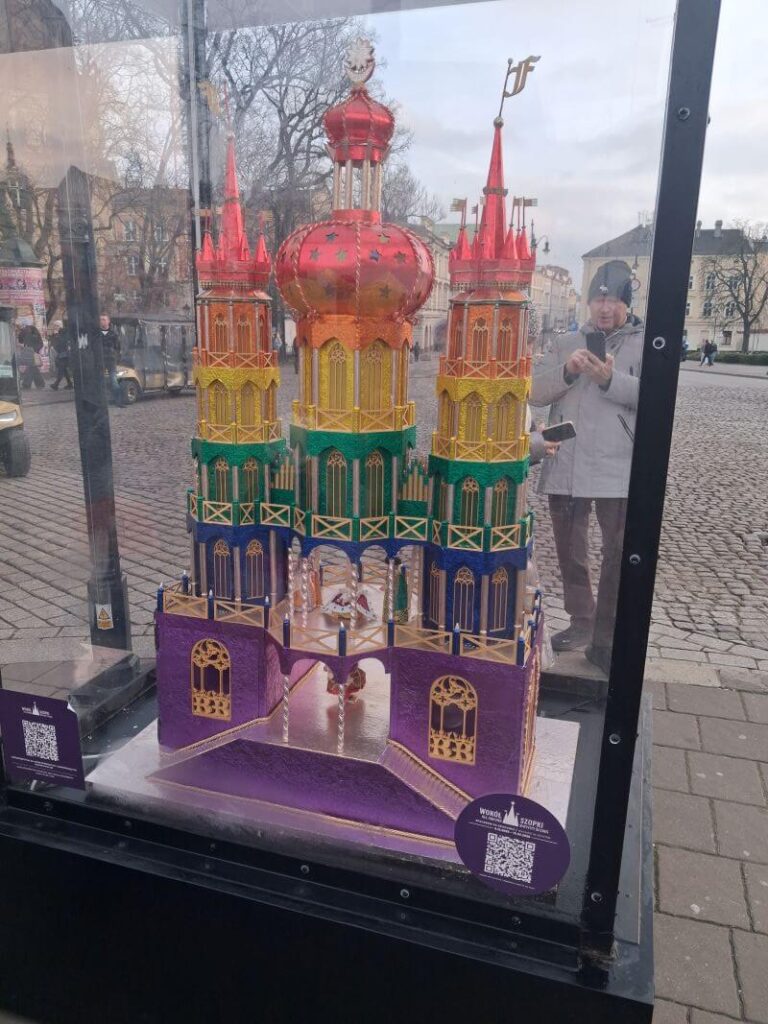
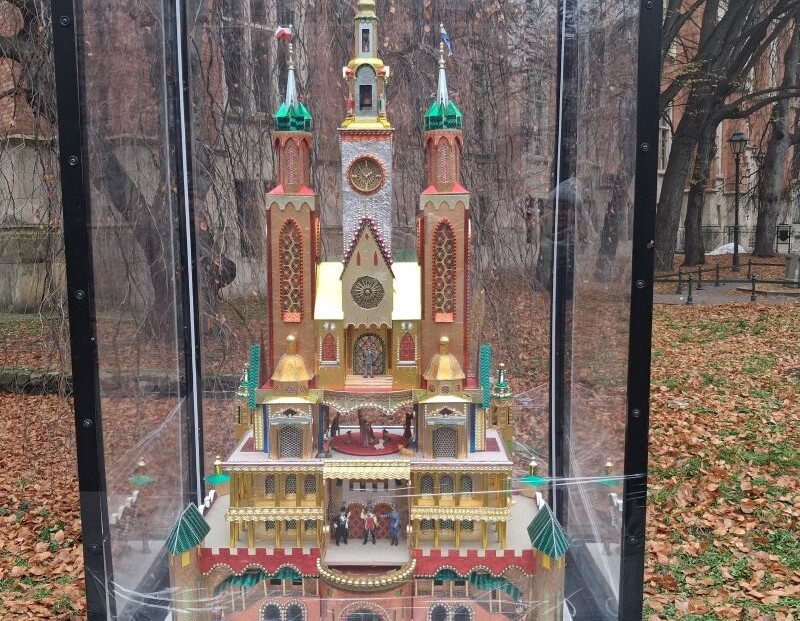
What makes our nativity scenes so unique? They are, in a way, Kraków in miniature. Each Kraków nativity scene must be inspired by Kraków’s monuments and more. You’ll find elements drawn from the towers of St. Mary’s Basilica, the cathedral, the Cloth Hall, or even figures such as the Lajkonik, the Wawel Dragon, the bugler, or Kraków residents in traditional folk costumes.
Krakow A Long-Respected Custom
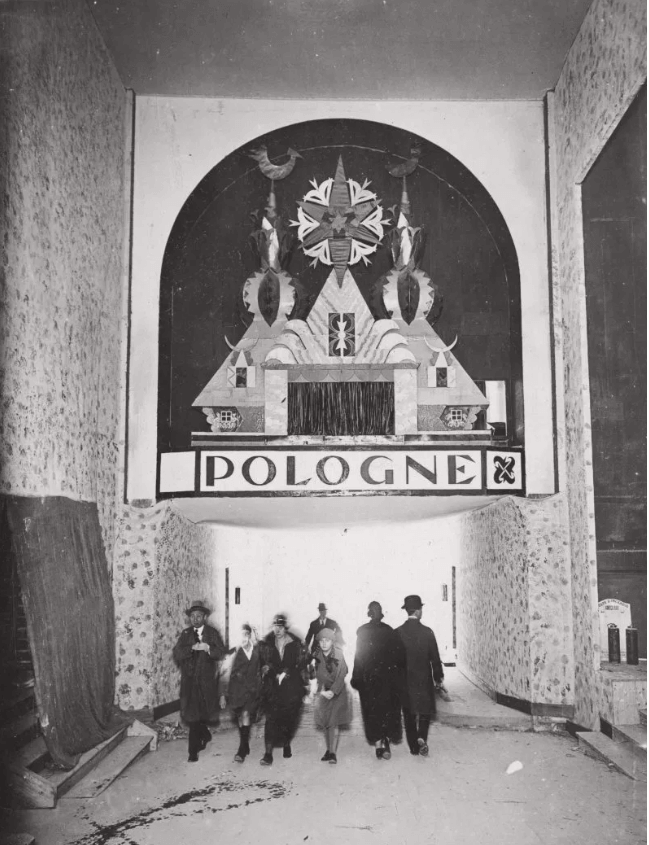
The phenomenon of these nativity scenes was born in Kraków, the former capital of Poland. Their current form dates back to the 19th century. As often happens, money was at the root: bricklayers from Kraków’s suburbs sought extra income during the slow winter season. Instead of trowels and bricks, they turned to paper and glue. The tradition became so established and appreciated that exactly a century ago, in 1925, Kraków nativity scenes were presented at the International Exhibition of Decorative Arts in Paris, where Polish artists won dozens of medals. At its core, however, the tradition stems from medieval nativity plays with figurines. Kraków nativity scenes were inscribed on Poland’s National List of Intangible Cultural Heritage in 2014, and in 2018— as the first phenomenon from Poland—on UNESCO’s Representative List of the Intangible Cultural Heritage of Humanity. This list includes traditions such as Portuguese fado, Indian yoga, falconry, initiation rituals of Senegalese tribes, or our own polonaise dance.
Competitions for the Most Beautiful Nativity Scene
Competitions for the most beautiful Kraków nativity scene have been held for many years. The first took place in December 1937. They were resumed in 1945, organized by the Historical Museum of the City of Kraków. The competition strengthens tradition, fosters craftsmanship, and encourages creative rivalry. It takes place on the first Thursday of December, when creators bring their works to Kraków’s Main Market Square and set them on the steps of the Adam Mickiewicz monument. The jury evaluates the scenes, and prizes are awarded the following Sunday. At that time, the post-competition exhibition opens at the Kraków Museum in the Krzysztofory Palace, lasting nearly three months. Each year, after the exhibition, the museum purchases the most beautiful nativity scenes, later displayed in Poland and abroad.
Krakow Nativity Scene – family tradition
Family Traditions Particularly important is the development of the craft within families, often passed down through generations—sometimes creating dynasties of nativity scene makers. Already in the 19th century, families such as the Ezenekiers and Owsińskis in Krowodrza or the Maliks in Zwierzyniec were mentioned. From those times survives the “mother nativity scene” made by the Ezenekiers in 1900, now in Kraków’s Ethnographic Museum. In the Malik family, nativity scenes are now built by the sixth generation—a rare exception, since the tradition usually ends with the third generation. The longest-lasting families include the Dłużniewskis, Gillerts, Głuchs, Markowskis, Ożogs, Paczyńskis-Czyżs, Freibergs, Madejs, Delkowskis-Koniecznys, and Zarzyckis. In 2018, a new category was introduced to the competition: family nativity scenes. This strengthened the tradition of creating nativity scenes within families, from which young craftsmen emerge, often building their own works. Some participate in a few competitions, others stay longer, developing their passion and skills.
Do you want to visit Kraków? Let me know